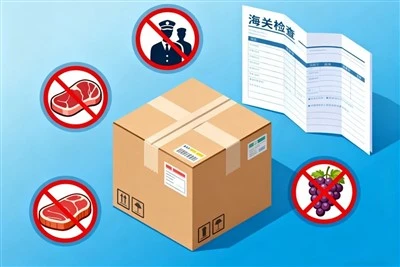
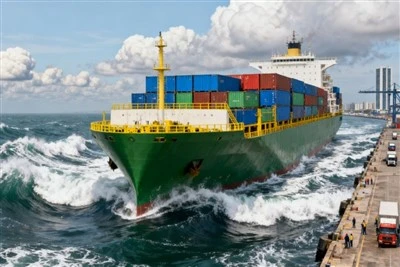
With increasingly close trade ties between China and Australia, more and more companies are choosing to conduct cross-border trade through dedicated transportation and logistics lines. However, the phenomenon of low-price competition in the market is becoming increasingly prominent. Some unregulated logistics service providers use low-price traps to attract customers, posing potential risks to businesses and cargo owners. This article will remind you how to identify low-price traps and ensure the safety of cross-border transportation when choosing a China-Australia transportation and logistics line.
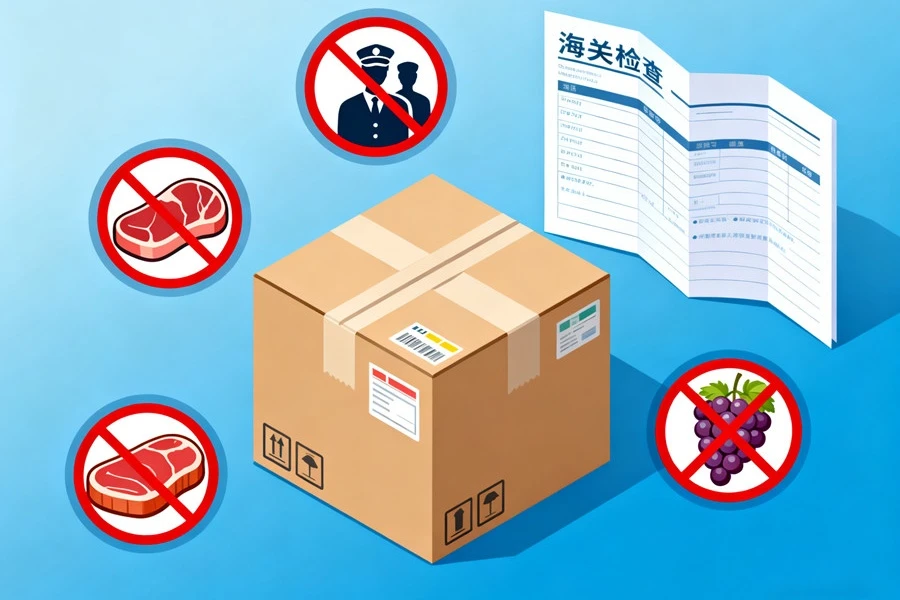
I. Common Forms of Low-Price Traps
Excessively Low Prices: Prices significantly lower than the market average may conceal problems such as inadequate service and lack of cargo safety guarantees.
Opaque Services: Low prices may hide vague or omitted service details, leading to additional costs later.
Poor Reputation: Low prices are often accompanied by a bad reputation. Choosing a logistics service provider with a poor reputation may result in risks such as inadequate service and lost goods.
II. Key Points for Identifying Low-Price Traps
Compare Market Prices: Understand the market prices for China-Australia transportation and logistics, compare quotes from different service providers, and avoid blindly pursuing the lowest price.
Carefully read the contract: The contract should clearly define the service content, fees, responsibilities, and other clauses, ensuring nothing is omitted or unclear.
Assess the service provider's reputation: Choose a logistics service provider with a good reputation and proper qualifications. You can research them through online searches and customer reviews.
Understand the service details: Inquire about detailed information regarding transportation time, cargo insurance, after-sales service, etc., to ensure the service is adequate.
III. Recommendations for Ensuring the Safety of Cross-Border Transportation
Choose legitimate channels: Select logistics service providers through legitimate channels to ensure service quality and safety guarantees.
Clarify transportation requirements: Clearly communicate the characteristics of the goods and transportation requirements with the logistics service provider to ensure the transportation process meets standards.
Purchase insurance: Purchase appropriate insurance for the goods to cover potential unforeseen circumstances.
Track the goods: Use the tracking system provided by the logistics service provider to understand the real-time status of the goods and ensure safe delivery.
Shenzhen Kuaihui International Logistics Co., Ltd., established in September 2012, has become one of Shenzhen's leading logistics service providers for Australia after more than a decade of development. Its dedicated Australia line has become an industry benchmark. The company serves small and medium-sized foreign trade enterprises, cross-border e-commerce, and personal delivery services. We provide comprehensive and reliable transportation solutions, including customs clearance and double clearance, door-to-door delivery, Amazon FBA first-leg shipping, overseas relocation services, and transportation of restricted/sensitive goods from China to Australia. The company's operational headquarters are located in Shenzhen, Guangdong Province, and currently have more than ten sales offices, an experienced management team, and over one hundred employees.
Conclusion:
While China-Australia transportation and logistics lines provide convenient services for businesses, it is also important to be wary of low-price traps. Through rational selection, careful comparison, and thorough understanding, businesses can avoid low-price traps and ensure the safety and efficiency of cross-border transportation. When choosing a logistics service provider, be sure to be cautious to ensure that your goods are delivered safely and on time.