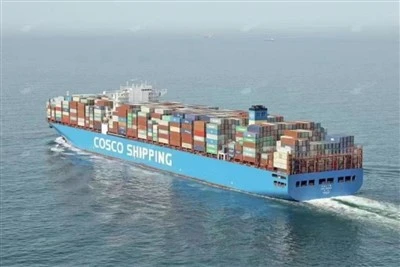
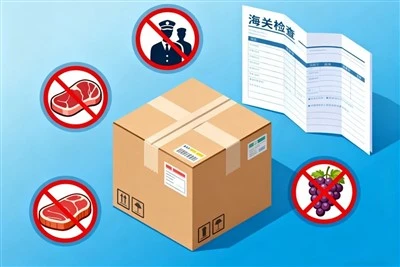
Australian customs has strict standards for imported goods. Food, animal and plant products, and counterfeit goods are directly prohibited from import; while furniture, appliances, and daily necessities can be transported normally, but accurate product names and declared values must be provided. To reduce customs clearance risks, it is recommended to carefully check the prohibited list before shipment and choose an experienced freight forwarding company to assist with documentation. Many beginners easily overlook packaging issues-dampness and bumps are common in ocean shipping, so reinforcing wooden crates and taking precautions against moisture are necessary investments.
Why are more and more people choosing sea freight?
From a market trend perspective, the continuous growth of Sino-Australian trade and the stable exchange rate of the Australian dollar against the RMB make importing Australian goods and exporting Chinese-made goods profitable. Especially in recent years, with the rise of cross-border e-commerce and overseas warehousing businesses, Australian sea freight lines have become an indispensable link in the supply chain. For individuals, whether it's international students moving or overseas Chinese replenishing their stock of frequently used items, sea freight is much cheaper than air freight.
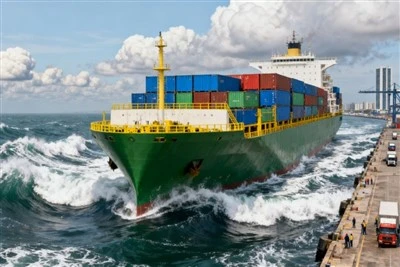
In summary, Australian sea freight lines are the "slow but stable" main artery connecting trade between the two places. It may not be the fastest, but its advantages lie in reliability and economy. If you plan to ship goods from China to Australia, you should first assess the value, volume, and time requirements of your goods before deciding whether to use sea freight.