Cross-border logistics mainly includes the following processes:
Domestic Stage
1. Order Processing and Goods Preparation
Order Receiving: Sellers receive orders from overseas customers through e-commerce platforms or other channels. This process involves collecting order information, such as product name, quantity, specifications, buyer address, and contact information, and ensuring the accuracy of the order information.
Inventory Check: After receiving the order, the seller needs to check the inventory to confirm whether there are enough goods to meet the order demand. If the inventory is insufficient, it may be necessary to adjust the order status or urgently replenish the stock.
Cross-border E-commerce, Cross-border Logistics
Goods Sorting and Packaging: For orders with sufficient inventory, warehouse staff begin sorting the goods. Based on the order requirements, the correct goods are selected and packaged according to certain standards. Packaging must consider the protection of goods during long-distance transportation, selecting appropriate packaging materials such as bubble wrap, cardboard boxes, and wooden crates. Attention must also be paid to the size and weight of the packaging to meet transportation requirements and reduce costs.
2. Domestic Transportation and Customs Clearance Preparation
Domestic Transportation: The packaged goods are transported from the seller's warehouse to the export port or international logistics hub. This may involve road transport, rail transport, or inland waterway transport, depending on the location of the warehouse and the distance to the port of export. During transport, it is crucial to ensure the safe and timely arrival of the goods.
Customs Document Preparation: While the goods are en route to the port of export, the seller or their agent needs to prepare various documents required for customs declaration. These documents typically include a commercial invoice, packing list, customs declaration, and export license (if required). The commercial invoice describes the value, quantity, and transaction details of the goods; the packing list details the contents of each package; the customs declaration is the primary document for declaring the export to customs and requires accurate information about the goods.
Export Customs Declaration Stage
1. Customs Declaration
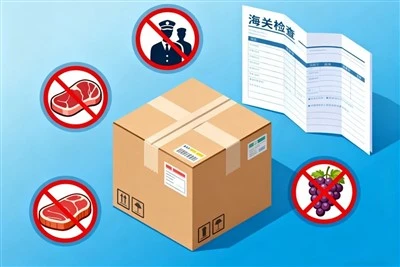
After the goods arrive at the port of export, the customs broker submits the prepared customs documents to customs. Customs will review the declared information, including the type, quantity, value, and country of origin of the goods. Customs will check whether the goods meet export requirements and whether there are any prohibited or restricted export situations, based on relevant laws, regulations, and trade policies.
During the review process, customs may inspect the goods. This includes physical inspection of the goods, such as opening the containers to check if the actual condition of the goods matches the declaration. If customs finds any false declarations or other problems, it may result in the goods being detained, fined, or even prohibited from export.
2. Tax Payment and Release
If the goods meet export requirements and are not subject to export duties (many goods are duty-free exports, but some may require duties), customs will stamp the customs declaration and release the goods. If duties or other taxes are required, the seller must pay the corresponding fees according to the prescribed procedures before the goods can be released. Once released, the goods can be loaded onto transport vehicles (ships, airplanes, trains, etc.) to begin cross-border transportation.
International Transportation Stage
1. Selection of Transportation Mode and Transportation Process
The appropriate transportation mode is selected based on factors such as the nature, weight, volume, timeliness requirements, and cost of the goods. This mainly includes sea freight, air freight, rail freight, or international express delivery.
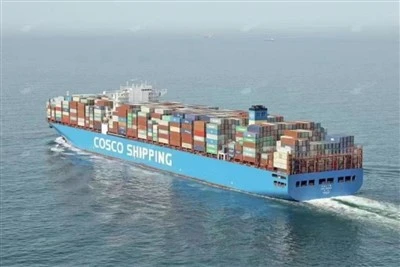
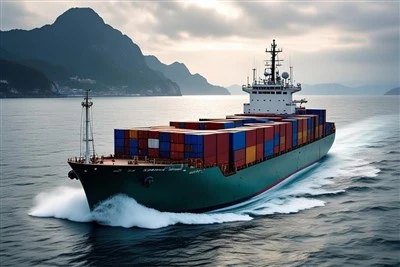
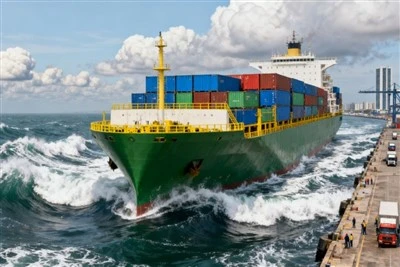
- Sea Freight: If sea freight is chosen, the goods will be loaded into containers and transported by ship to the port of destination country. Sea freight has a longer transit time, generally taking several days to weeks, but the cost is relatively low, making it suitable for large quantities of goods with less stringent time requirements.
- Air freight: Air freight transports goods to the destination country via cargo planes. Its advantage is speed, usually arriving within a few days, but the cost is higher, making it suitable for high-value, small-batch, and urgent goods.
- Rail transport: For example, the China-Europe Railway Express transports goods to Europe and other destinations by rail. Rail transport's speed and cost fall between sea and air freight, making it a good choice for certain regions and types of goods (such as industrial products with less urgent time requirements).
- International express delivery: International express delivery is mainly used for transporting small batches of high-value, time-sensitive goods, such as documents and samples.
2. Tracking and Monitoring During Transportation
During international transportation, sellers or buyers can monitor the real-time status of their goods through tracking systems provided by the shipping company (such as shipping company websites, airline cargo tracking systems, or courier tracking systems). This information includes whether the goods have been loaded onto a ship/aircraft, their location during transit, and the estimated arrival time, allowing both parties to stay informed about the goods' status and prepare for receipt or subsequent sales.
Import Customs Declaration Stage (Destination Country)
1. Customs Declaration in the Destination Country
After the goods arrive at the port or airport of the destination country, import customs declaration is required. The importer or their agent must submit import declaration documents to the destination country's customs. These documents are similar to export declaration documents, but may also require other documents such as a certificate of origin, bill of lading (sea freight), and waybill (air or rail freight). Customs will review the imported goods, checking whether they comply with the laws, regulations, trade policies, and safety standards of the importing country.
The destination country's customs may also inspect the goods, checking whether the quantity, quality, and specifications are consistent with the declaration, and whether there are any prohibited items or goods requiring special supervision. For example, food and pharmaceuticals may require strict inspection and quarantine.
2. Tax Payment and Release
Depending on the importing country's tariff policies and the value and type of goods, importers need to pay import duties, value-added tax, consumption tax, and other taxes. After payment, customs will release the goods, allowing them to circulate in the destination country's domestic market. If the importer cannot provide accurate declaration information or refuses to pay taxes, customs may seize the goods or take other punitive measures.
Domestic Delivery Stage in the Destination Country
1. Goods Collection and Transshipment
After the goods are released by customs in the destination country, the importer or their designated logistics agent needs to collect the goods from the port or airport warehouse. If the goods are transported via international express, the courier service will usually deliver the goods directly to the recipient's designated address; if other modes of transport are used, further transshipment may need to be arranged, such as transporting the goods by road or rail to the final destination.
During transshipment, to ensure the safe and accurate delivery of the goods, it is necessary to verify the recipient's address, contact information, and other information to avoid loss or misdelivery.
2. Last-Mile Delivery
After the goods arrive in the destination city or nearby area, the last-mile delivery process begins. This stage mainly involves delivering the goods to the recipient, which may involve local courier services, postal services, or specialized delivery companies. Delivery personnel need to contact the recipient to confirm the delivery time and ensure successful delivery. For some large or special goods, installation and debugging services may also be required.
This concludes the information shared by Baiyun.com. If you have any further international logistics service needs, please consult Baiyun.com's professional international logistics consultants.