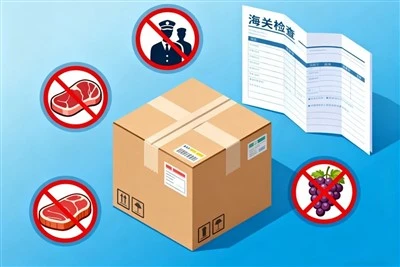
The bottom line: Shipping these items from China to Australia is possible, but there are strict boundaries. Items must be pre-packaged, non-perishable (shelf-stable), and non-prescription; furthermore, everything is subject to the destination country's customs list of acceptable items for that specific day-no company can guarantee "100% customs clearance."
Among the clients I've worked with, the most common questions are: "Can I ship Lao Gan Ma chili sauce and Luosifen (river snail rice noodles) from China to Australia?" or "I can't buy Lianhua Qingwen capsules in Australia; can I have them shipped?" Let's start with food: items that are pre-packaged, shelf-stable (stored at room temperature), and free of meat, eggs, or dairy-such as Luosifen (where the noodle and sauce packets are separate), instant noodles, spicy gluten snacks (*latiao*), and biscuits-can generally be shipped via air freight. However, pastries containing meat floss, instant noodles with ham sausage, and fresh fruits or vegetables are "red-line" items for Australian customs quarantine. No consolidation company will accept them because customs will almost certainly detect them during inspection.
Regarding medicine: non-prescription drugs, proprietary Chinese medicines (free of toxic ingredients), and health supplements-such as Ganmaoling (cold medicine), Ibuprofen, and vitamin tablets-can be shipped, provided the product names and quantities are declared accurately. Prescription drugs, psychotropic medications, and cough syrups containing ephedrine are strictly prohibited; do not take the risk. As for cosmetics, skincare products and makeup that are non-liquid or in small-volume containers (no more than 100ml per bottle) can go via air freight. However, alcohol-based perfumes, sprays, and large bottles of toner are usually restricted to sea freight or specialized shipping channels due to transport safety regulations.
It must be made clear: while shipping services from China to Australia cover food, cosmetics, and medicine, this does not mean "anything goes." Each shipping channel has a specific list of acceptable items, and these lists are adjusted dynamically based on the destination country's customs policies. The safest approach is to take photos of your items and send them to customer service for confirmation before placing an order; only ship them if the representative confirms it is allowed. Never go ahead and ship items blindly, only to ask what to do after they've been seized by customs-at that point, there is nothing anyone can do.