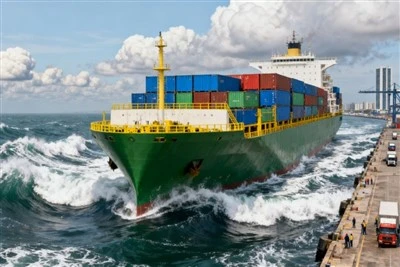
With the continuous growth of international trade, the exchange of food products between China and Australia has become increasingly frequent. However, due to differences in food safety standards and transport regulations between the two countries, food exporters face numerous challenges during the shipping process. This article provides a comprehensive guide to help you successfully ship food from China to Australia while ensuring safety and regulatory compliance.
I. Understand Australia's Food Import Regulations: Before shipping, familiarize yourself with Australia's food import regulations. Australia maintains strict standards for food imports, including but not limited to:
Food Safety Standards: Ensure food is free from contamination and complies with Australian food safety regulations.
Packaging Requirements: Packaging must meet Australian standards, covering aspects such as labeling, moisture resistance, and dust protection.
Preventive Measures: Additional precautions may be required to address specific risks, such as pest infestations.
II. Choose the Right Mode of Transport: Selecting the appropriate transport method based on the nature of the food and the shipping distance is crucial. Common modes of transport include:
Rail Transport: Suitable for long-distance transport of bulk goods; low cost but slower speed.
Air Transport: Fast; suitable for urgent shipments but comes at a higher cost.
Road Transport: Suitable for short-distance transport; offers high flexibility but is significantly affected by weather and road conditions.
III. Ensure Food Safety During Transport
Temperature Control: For foods requiring refrigeration or freezing, ensure temperature controls meet requirements throughout the journey.
Packaging: Use suitable packaging materials to prevent damage or contamination during transit.
Moisture and Dust Protection: Ensure packaging offers effective protection against moisture and dust.
IV. Handle Necessary Export and Import Procedures
Export Procedures: Obtain export licenses, sanitary certificates, and other documents to ensure compliance with export requirements.
Import Procedures: Complete import declarations, pay customs duties, and handle other formalities at the Australian port of entry.
V. Comply with Australian Food Safety Standards
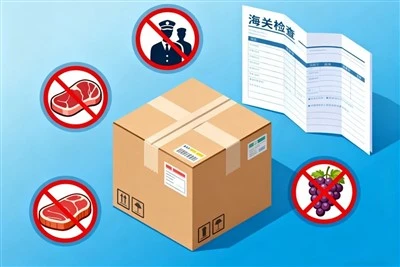
Sanitization/Treatment: Undergo necessary treatments-such as fumigation or irradiation-to render imported food safe.
Inspection and Quarantine: Undergo inspection and quarantine at the Australian port of entry to ensure compliance with local standards.
VI. Conclusion: Shipping food from China to Australia requires a thorough understanding of local regulations and standards, the selection of appropriate transportation methods, and a commitment to ensuring food safety throughout the transit process. By strictly adhering to relevant regulations and standards, you can ensure the smooth entry of your products into the Australian market while upholding food safety and compliance.