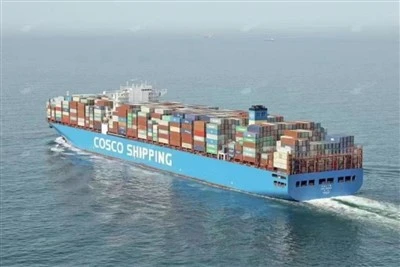
With the rapid development of the internet and mobile technology, e-commerce has experienced booming growth globally. As a significant e-commerce market, Australia's e-commerce industry is also developing rapidly. In this environment full of opportunities and competition, Australian e-commerce logistics plays a crucial role in connecting Australia with the global market.
The importance of Australian e-commerce logistics is self-evident. As more and more consumers shop through online platforms, their demands for logistics speed and service quality are also increasing. Australian e-commerce companies need to ensure that goods are delivered to consumers quickly and safely to provide an excellent shopping experience. A good logistics system not only improves order delivery speed but also reduces return rates, enhances customer satisfaction, and thus promotes business growth.
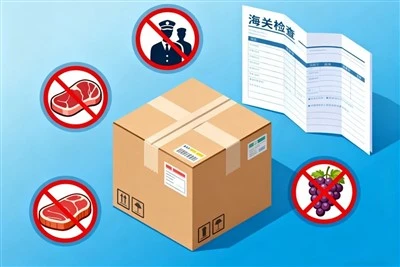
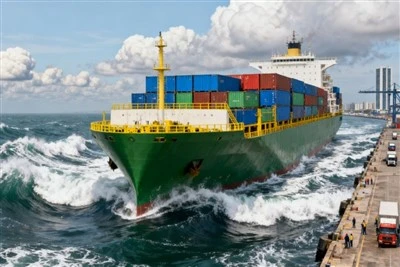
However, Australian e-commerce logistics also faces some challenges. Firstly, there are geographical challenges. Australia's vast territory and long distances between it and other countries increase the time and cost of goods transportation. Secondly, there is the complexity of overseas supply chain management. Australian e-commerce companies typically need to collaborate with overseas suppliers, involving aspects such as goods procurement, warehousing, customs clearance, and delivery, requiring the establishment of an efficient supply chain management system. Finally, there is the challenge of handling overseas returns. Returns are common in the e-commerce industry, but handling overseas returns involves issues such as shipping costs, refund processes, and product resale, requiring careful consideration and management.
To build an efficient Australian e-commerce logistics supply chain, businesses can take the following steps. First, choose a suitable logistics partner. Partnering with experienced, professional, and reliable Australian e-commerce logistics providers offers comprehensive logistics solutions, including overseas sourcing, warehousing, delivery, and returns processing. Second, optimize logistics processes. Through refined logistics planning and management, including order processing, inventory management, and delivery route optimization, logistics efficiency can be improved and costs reduced. Furthermore, leveraging advanced technological tools such as logistics management systems and real-time tracking systems provides visualization and monitoring of the logistics process, as well as timely communication and problem-solving capabilities.
In conclusion, Australian e-commerce logistics plays a crucial role in connecting Australia with global markets and driving e-commerce business growth. By establishing an efficient logistics supply chain and addressing geographical and supply chain management challenges, businesses can provide superior logistics services, meet consumer expectations, and drive the further development of the Australian e-commerce industry.